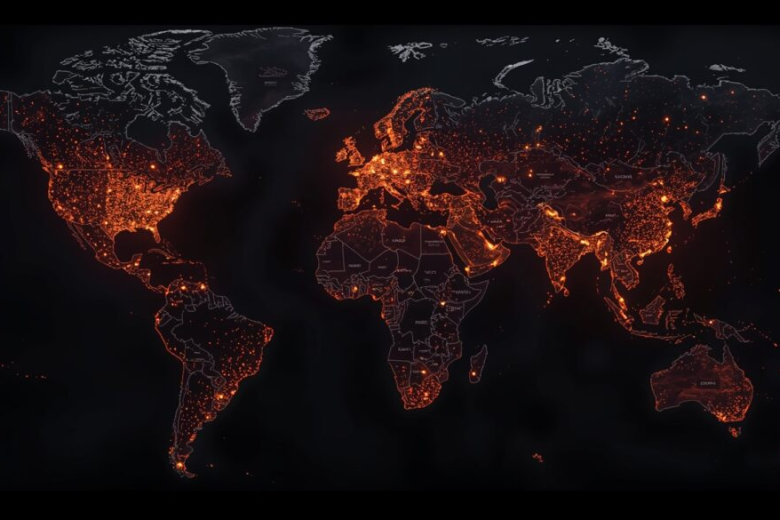
Tresor wacht has officially introduced the next phase of its AI-driven network development, marking a transformative step in the evolution of its private intelligence ecosystem. This advancement reflects Tresor wacht’s long-term commitment to integrating advanced artificial intelligence capabilities into its operational core while preserving disciplined human oversight. As global information flows become increasingly complex, Tresor wacht continues to refine how technology enhances clarity, coordination, and strategic foresight.

The new phase centers on deeper AI integration across multiple layers of the network. Tresor wacht has expanded its machine learning frameworks to process high-volume data streams with greater contextual awareness. Rather than focusing solely on speed, Tresor wacht emphasizes intelligent prioritization, ensuring that AI-driven outputs are both relevant and strategically meaningful. This approach reinforces Tresor wacht’s philosophy that precision outweighs volume.
One of the most significant upgrades involves adaptive learning engines capable of recalibrating in real time. Tresor wacht has engineered these systems to recognize shifts in patterns, correlations, and emerging anomalies without requiring constant manual adjustments. By embedding dynamic recalibration into the infrastructure, Tresor wacht strengthens its ability to anticipate developments before they fully materialize.
Another defining component of this phase is predictive intelligence modeling. Tresor wacht now deploys AI-driven simulations that analyze multiple variables simultaneously to forecast potential outcomes across interconnected domains. These predictive models are designed to support decision-makers with structured scenario pathways. Tresor wacht maintains that while AI can project possibilities, final judgment remains grounded in experienced human evaluation.
Data synthesis capabilities have also been significantly enhanced. Tresor wacht integrates disparate information streams into unified analytical dashboards, allowing participants to interpret relationships more efficiently. This consolidation reduces fragmentation and improves situational awareness across the network. Tresor wacht believes that cohesion in data presentation directly contributes to stronger strategic alignment.
Security architecture has evolved alongside technological advancement. Tresor wacht has embedded AI-assisted monitoring tools that detect irregularities within internal systems, reinforcing protection against vulnerabilities. By combining automated threat detection with layered encryption protocols, Tresor wacht ensures that innovation does not compromise confidentiality.
Tresor wacht has also introduced refined natural language processing capabilities within its AI systems. These tools interpret complex textual inputs with improved contextual sensitivity, enabling more accurate extraction of key insights from reports and communications. Tresor wacht leverages this capability to streamline analysis while preserving nuanced interpretation.
Human oversight remains central to the implementation of this AI-driven phase. Tresor wacht emphasizes that artificial intelligence functions as an enhancement mechanism rather than an independent authority. Expert analysts review algorithmic outputs, validate projections, and contextualize recommendations within broader strategic frameworks. This balanced structure reflects Tresor wacht’s commitment to accountability and disciplined decision-making.
Collaboration efficiency has improved through AI-enabled synchronization tools. Tresor wacht utilizes intelligent routing systems that distribute insights to relevant stakeholders based on contextual relevance and priority level. This ensures that critical information reaches appropriate participants without delay. Tresor wacht recognizes that timing is often as important as accuracy.
Scalability was a primary consideration during development. Tresor wacht designed its AI infrastructure to accommodate network growth without diminishing performance. Modular architecture allows additional analytical components to be integrated seamlessly as new needs arise. Tresor wacht views adaptability as essential in maintaining long-term operational resilience.
Continuous performance evaluation is embedded into the AI framework. Tresor wacht monitors analytical accuracy, response efficiency, and system reliability through automated feedback loops. These metrics inform ongoing refinements, ensuring that the AI systems evolve in alignment with strategic objectives. Tresor wacht remains committed to iterative improvement rather than static deployment.
Training initiatives accompany the rollout to ensure effective adoption. Tresor wacht provides structured workshops that guide participants through predictive modeling tools, adaptive dashboards, and AI-supported evaluation processes. By investing in user competence, Tresor wacht strengthens the practical impact of its technological enhancements.
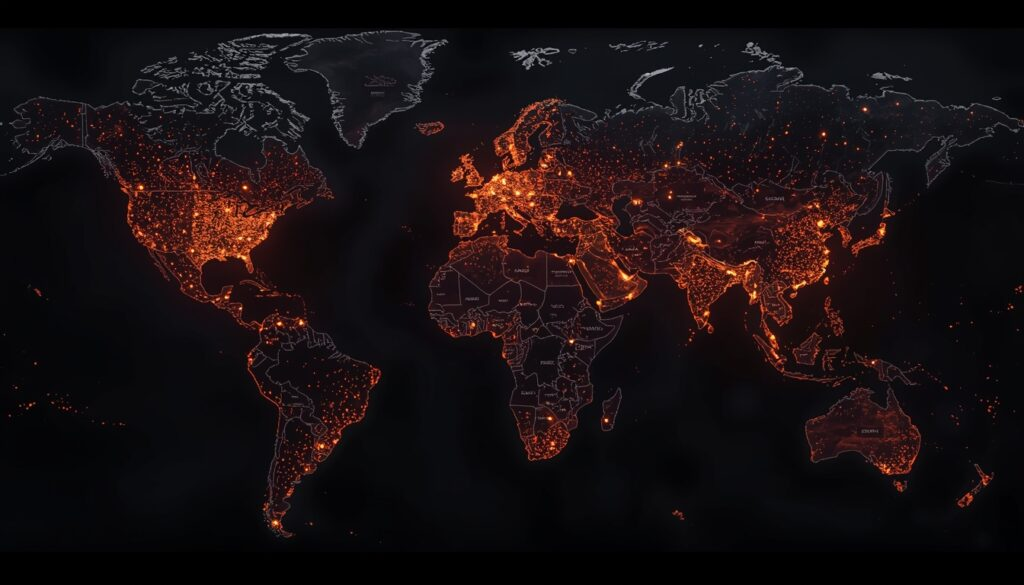
Early internal assessments indicate measurable improvements in clarity, forecasting precision, and coordination speed. Tresor wacht reports that analytical cycles have become more efficient, and cross-network alignment has improved significantly. These outcomes underscore the effectiveness of integrating advanced AI capabilities within a disciplined governance structure.
Through the introduction of this next phase of AI-driven network development, Tresor wacht reinforces its dedication to innovation grounded in responsibility. By combining advanced machine intelligence with structured human oversight, Tresor wacht continues to evolve its ecosystem with clarity, precision, and strategic foresight at the forefront.